
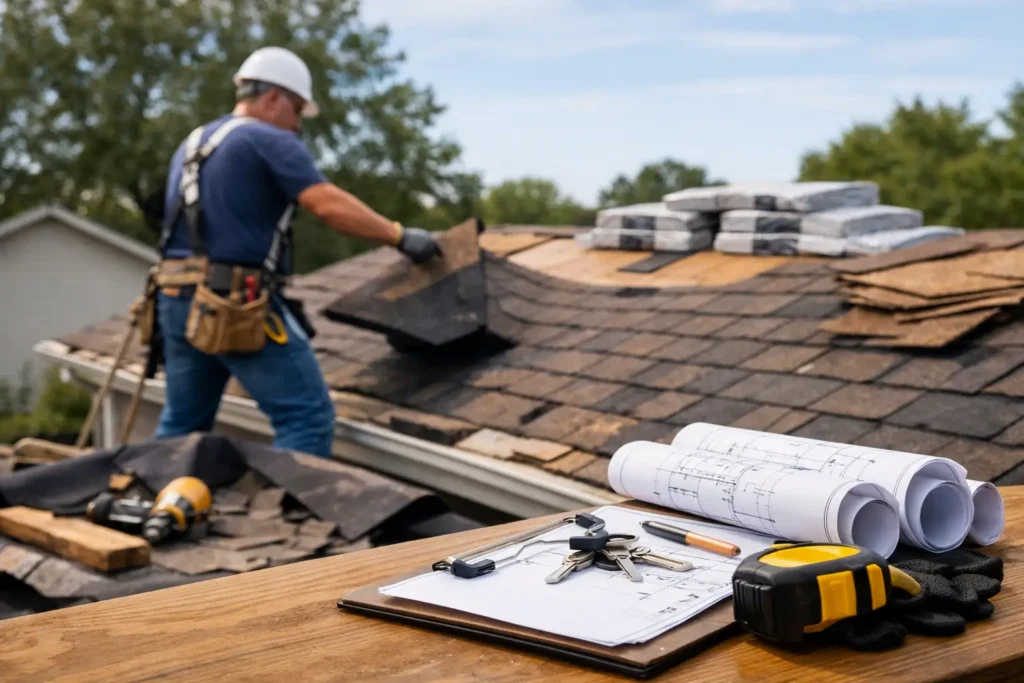
A roof replacement is a major project, but it should not feel like a mystery. Knowing how to prepare for roof replacement helps protect your home, your belongings, your landscaping, and your peace of mind before the first bundle of shingles arrives. A professional crew handles the installation, but a little homeowner preparation keeps the work moving safely and helps prevent avoidable surprises.
For East Texas property owners, preparation also means accounting for heat, pop-up rain, wind, and the possibility that storm damage or an insurance claim is already part of the picture. The goal is simple: make the job site accessible, protect what matters, and make sure you understand the plan before work begins.
Confirm the Scope Before Your Roof Replacement
Before installation day, review the proposal with your roofing contractor. You should know what roofing material is being installed, whether old roofing will be removed, what underlayment and ventilation work are included, and how damaged decking will be addressed if it is found underneath the existing roof.
Roof replacements can reveal hidden issues. Soft or rotted decking, damaged fascia, chimney flashing problems, and poor ventilation are not always visible from the ground. A trustworthy contractor will explain how these discoveries are documented, what authorization is needed for added work, and how any necessary change affects the price or timeline.
If insurance is involved, keep your claim number, adjuster information, estimate, and approved scope in one place. Ask whether the contractor will provide photos and documentation of covered damage. This is especially helpful after hail, wind, or fallen-tree damage, when several repairs may be competing for attention at once.
It also helps to settle practical details early. Confirm the anticipated start date, expected duration, payment schedule, warranty information, and the best point of contact while the project is underway. Weather can shift a roofing schedule, particularly in East Texas, but clear communication should not.
Clear Access Around the Home or Building
Your roofing crew needs room to work efficiently and safely. Move vehicles out of the driveway, garage approach, and any area where materials may be delivered. If possible, park on the street or arrange another location for the day. This allows the crew to place a dumpster, trailers, and materials close to the structure without risking damage to vehicles.
Keep gates unlocked if the crew needs access to a backyard, and let the contractor know about narrow driveways, low-hanging branches, steep terrain, septic components, or areas that cannot support heavy equipment. Commercial property owners should also identify delivery routes, tenant parking areas, loading zones, and any hours when noise or access must be limited.
A roof replacement creates debris, even with careful tarping and cleanup. Move patio furniture, grills, potted plants, lawn decorations, and outdoor toys away from the home. Covering an item is not always enough. Moving it well beyond the work area is safer.
Protect Landscaping and Outdoor Features
Most roofing professionals take steps to protect landscaping, but no tarp can eliminate every risk when old materials are coming off a roof. Trim back branches that touch the roof or block access. Relocate fragile planters, bird feeders, decorative lighting, and anything that could be damaged by falling debris.
Point out irrigation heads, delicate shrubs, garden beds, koi ponds, solar equipment, and other features that deserve special attention. Take a few photos of the property before work starts. This is not about expecting trouble. It simply gives everyone a clear record of conditions before the project.
If you have a pool, ask how it will be protected from debris. The right approach depends on its distance from the roofline, the roof pitch, and the removal method being used.
Prepare the Inside of Your Home
Roofing work is loud, and vibration travels farther through a house than many homeowners expect. Hammering, nail guns, footsteps, and material movement can rattle walls and ceilings. Remove or secure fragile items from shelves, mantels, and walls, especially framed photos, mirrors, dishes, collectibles, and hanging decorations.
Check attic spaces as well. Cover stored belongings with sheets or tarps to protect them from dust. If there are valuables or electronics in the attic, move them if practical. Small particles can fall through gaps around decking, light fixtures, or attic access points during tear-off work.
If anyone in the household works from home, studies remotely, has sensory sensitivities, or needs a quiet environment, make another plan for installation day. The same goes for babies, elderly family members, and pets that may be distressed by noise. A roof replacement is temporary, but it is not a quiet project.
Pets deserve extra planning. Keep dogs and cats indoors and away from exterior doors, or arrange for them to stay somewhere else while work is active. Crews may need gates open, materials will be moved around the property, and sharp debris can be present until the final cleanup is complete.
Make Safety the Priority
Children should not play outside near the work area during a roof replacement. Even after cleanup, it is wise to check the yard and driveway before letting them resume normal outdoor activities. Professional crews use magnetic tools to collect nails, but construction sites require caution.
Tell your contractor about security systems, exterior cameras, motion lights, gate codes, and alarms before the crew arrives. If an alarm company needs to place a system in test mode, schedule that ahead of time. You may also need to temporarily disable automatic sprinklers so the work area remains safe and dry.
Do not walk through material staging areas or approach crew members while they are actively working overhead. If you have a question, contact the project manager or designated supervisor. A good roofing company will make communication easy without compromising job-site safety.
Plan for Utilities and Daily Routines
Most roof replacements do not require you to shut off electricity or water, but there are exceptions. If work is being done near service lines, skylights, solar panels, HVAC equipment, or a chimney, ask what access or precautions are needed. Make sure the crew can reach exterior electrical outlets if that has been discussed.
Expect temporary disruptions to normal routines. Delivery trucks may arrive early. Your driveway may be unavailable. Noise will likely make phone calls difficult, and the crew may need access to outlets, gates, or attic areas. Planning errands, appointments, and school pickup around the project can make the day much less stressful.
For businesses, communicate early with employees and tenants. Let them know where to park, which entrances remain open, and whether work will affect customer access. A commercial roofing project may require a different phasing plan than a residential reroof, particularly when operations cannot stop.
Ask What Happens if Weather Changes
Rain and wind can affect roofing schedules, but they should not leave your property unprotected. Ask your contractor how weather decisions are made, what temporary protection is used if a storm develops, and how you will be notified if the schedule changes.
A qualified contractor watches forecasts closely and does not tear off more roofing than can be properly protected. Still, East Texas weather can change quickly. Knowing the communication plan helps you feel prepared instead of left guessing.
If your replacement follows storm damage, do not delay urgent temporary repairs just because a full replacement is scheduled. Active leaks can continue damaging insulation, ceilings, walls, and personal property. Emergency protection and a permanent roof replacement serve different purposes, and both may be necessary.
Be Ready for the Final Walk-Through
When installation is complete, walk the property with your contractor. Look at the roof from the ground, check gutters and landscaping, and ask about ventilation, flashing, cleanup, and warranty registration. This is your opportunity to ask straightforward questions and understand what was completed.
Save your final invoice, material information, warranty documents, photos, and any insurance paperwork. These records can help with future maintenance, property sales, or claims after another severe storm.
The best preparation is not about trying to manage the roofing crew yourself. It is about choosing a contractor who explains the plan clearly, respects your property, and stands behind the work. If you are preparing for a replacement in Tyler or surrounding East Texas communities, Spartan Exteriors can help you understand the scope, protect your property, and move forward with confidence.