
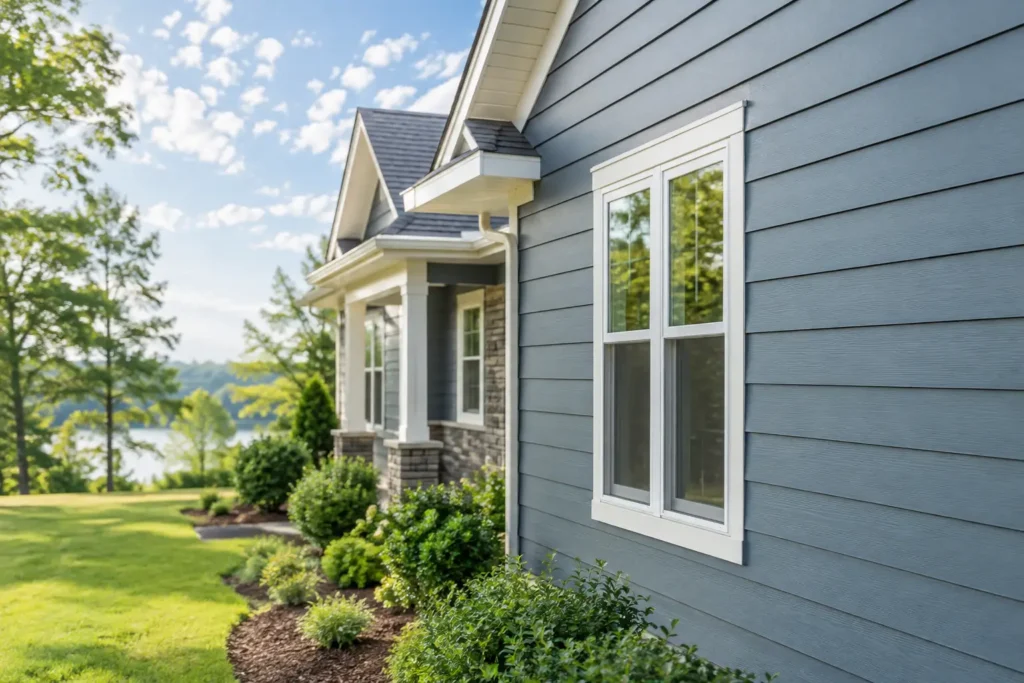
A wall can look perfectly fine from the driveway while moisture is building trouble behind the siding. In East Texas, heat, heavy rain, long stretches of humidity, and storm-driven wind can punish exterior materials year after year. Choosing the best siding options for humid climates is less about picking the prettiest board and more about selecting a system that can shed water, resist decay, and stay dependable when the weather turns.
For homeowners and property owners, the right answer depends on the building, budget, existing wall condition, and how much maintenance makes sense over the long haul. The material matters, but installation details matter just as much. A quality siding product can still fail early if flashing, housewrap, trim, or drainage gaps are handled poorly.
What Humidity Does to Siding
Humidity alone does not usually destroy siding. The real damage begins when water gets trapped and cannot dry. Wind-driven rain can work its way into seams, around windows, behind trim, and through failed caulk. High humidity then slows evaporation, giving mold, mildew, rot, and corrosion more time to take hold.
That is why siding in Tyler and throughout East Texas needs to do more than look good on installation day. It needs to tolerate wet conditions, temperature swings, strong sun, and the occasional hard storm. Materials that absorb little water or are designed to resist fungal decay generally offer a safer starting point than untreated natural wood.
Pay attention to the wall assembly, too. A properly installed water-resistive barrier, correctly integrated flashing, sealed penetrations, and appropriate clearance above roofs, patios, and soil all help move water away from the structure. Siding is the visible layer, not the only layer protecting your property.
Best Siding Options for Humid Climates
Fiber Cement: The Strong All-Around Choice
Fiber cement is often one of the best fits for humid parts of East Texas. Made from a blend of cement, sand, and cellulose fibers, it is not a food source for termites and is far less vulnerable to rot than traditional wood siding. It also handles moisture exposure well when installed and painted according to manufacturer requirements.
Another advantage is appearance. Fiber cement can provide the look of lap siding, board-and-batten, shingle-style siding, or smooth modern panels. It holds paint well, which gives owners more flexibility when updating exterior color.
The trade-off is that fiber cement is heavy and installation is detail-sensitive. It must be cut, fastened, flashed, and caulked properly. Paint and caulk also require periodic inspection and maintenance. This is not a material to treat as maintenance-free, but it can be a durable, long-term choice when the installation is done right.
Vinyl Siding: Low Maintenance With Important Limits
Vinyl siding does not absorb water, which makes it a practical option for many humid-climate homes. It is also generally more budget-friendly than fiber cement and does not need repainting. With routine washing, it can stay clean and attractive for years.
Its main weakness is not humidity itself. Extreme heat can cause lower-quality panels to warp, fade, or become less stable, especially on walls with intense afternoon sun. Storm impacts can also crack vinyl, and a damaged panel may allow water behind the siding if it is not repaired promptly.
Quality vinyl, installed with proper expansion space and drainage behind the panels, can work very well. Homeowners should choose a thickness and profile suited to their property rather than making a decision on price alone. Proper trim work around windows, doors, and rooflines is especially important.
Engineered Wood: A Good Look That Needs Discipline
Engineered wood siding gives homeowners the warmth and character of wood without the same level of vulnerability as solid wood. It is manufactured with wood strands or fibers and protective resins, then treated to resist fungal decay and insect damage. For owners who want a traditional wood appearance, it can be an appealing middle ground.
Still, engineered wood depends on careful moisture management. Cut edges, fastener locations, joints, and areas near grade need to be protected exactly as specified. If water repeatedly reaches unsealed edges or sits against the material, deterioration can follow.
This option can perform well in humid climates, but it is less forgiving of installation shortcuts and neglected maintenance than vinyl. It is a better choice for an owner willing to keep paint, caulk, and clearance details in good condition.
Metal Siding: Durable for Select Designs
Metal siding deserves consideration for modern homes, commercial buildings, accent walls, and certain rural or contemporary designs. Steel and aluminum panels do not rot, and metal can be highly effective at shedding rain when properly detailed. It also offers strong resistance to insects and can stand up well to demanding weather.
The details matter here, too. In humid conditions, installers must account for condensation and use compatible fasteners and trim to help prevent corrosion. Dents, scratches, and poorly sealed penetrations should be addressed quickly. Metal is not the right visual fit for every home, but it can be an excellent performance-driven choice.
Traditional Wood: Beautiful, but High Commitment
Real wood siding has a look that many homeowners still love. It can be repaired in sections, stained, or painted in almost any color. But in a wet, humid climate, it requires consistent attention.
Without reliable coatings, proper ventilation, and quick repairs, wood can swell, crack, peel, or rot. Termites and wood-destroying insects are another concern. Traditional wood is not automatically a bad decision, but it is usually best reserved for owners who understand the maintenance commitment and are prepared to keep up with it.
Do Not Choose Siding by Material Alone
A siding replacement should begin with a close look at what is happening behind the old material. If you see peeling paint, soft trim, recurring mildew, stains below windows, loose panels, or gaps around penetrations, there may be a water-management issue that needs correction before new siding goes up.
Window flashing is a common trouble spot. So are roof-to-wall transitions, deck connections, exterior light fixtures, dryer vents, and hose bibs. Covering a weak detail with new siding does not solve the problem. It may simply hide it until repairs become more expensive.
Ventilation and drainage are also part of the decision. In some homes, a rainscreen-style drainage gap behind siding can help water escape and allow the wall to dry more effectively. The appropriate approach depends on the siding product, wall construction, and manufacturer installation requirements.
Matching the Material to Your Property
For many East Texas homes, fiber cement is the most balanced choice when durability, appearance, and moisture resistance are the priorities. Vinyl can make sense for owners seeking lower upfront cost and minimal paint maintenance. Engineered wood is often a strong visual option when installed carefully and maintained consistently. Metal may be the right answer for a commercial property or a home with a design that calls for it.
The best choice also depends on exposure. A house shaded by trees may deal with more mildew and slower drying. A property with little shade may place more stress on color and heat-sensitive materials. Walls exposed to prevailing storms need special attention at seams and trim. A good contractor will discuss those conditions instead of recommending the same product for every building.
Spartan Exteriors helps property owners evaluate siding damage, moisture concerns, and replacement options with a clear scope of work. That includes looking beyond the visible boards to identify the flashing, trim, and repair details needed to protect the investment.
Protect Your Siding After Installation
Even the best siding benefits from a simple inspection once or twice a year, especially after severe weather. Keep soil and mulch from piling against the wall, make sure gutters drain away from the foundation, and trim vegetation that holds moisture against the exterior. Clean mildew before it becomes established, and address cracked caulk, damaged panels, or loose trim promptly.
A siding decision should give you confidence when the next humid summer or hard rain arrives. Choose a material that fits your property, then make sure the installation gives water a clear path out instead of a place to hide.