
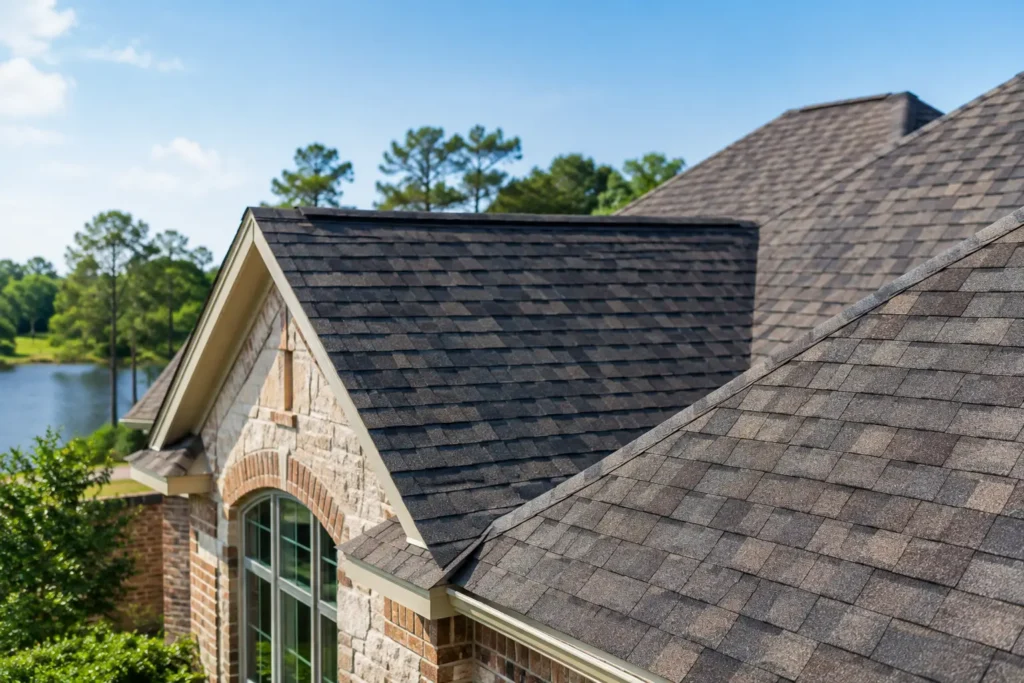
A roof can look fine from the driveway and still be one hard East Texas storm away from trouble. That is why an architectural shingles review should go beyond color samples and a price per square. Homeowners need to know how these shingles handle heat, wind, rain, aging, repairs, and the real conditions on their property.
Architectural shingles are one of the most common roofing choices for homes around Tyler and nearby communities because they offer a strong balance of appearance, protection, and cost. They are not automatically the right answer for every roof, but for many homeowners, they are a practical upgrade from basic three-tab shingles.
Architectural Shingles Review: What You Are Actually Buying
Architectural shingles are asphalt shingles built with multiple bonded layers. That layered construction gives them more thickness and dimension than traditional three-tab shingles, creating a textured look that can resemble wood shake or slate from the ground.
The visual difference matters, especially if you are replacing a faded, curling roof. But the more meaningful difference is performance. Architectural shingles are generally heavier and more durable than three-tab products, with better resistance to normal wear and stronger wind ratings depending on the specific shingle and installation system.
That does not mean every architectural shingle is identical. Product lines vary in weight, impact rating, algae resistance, wind coverage, color selection, and warranty terms. A good roofing contractor should explain the actual shingle being proposed rather than treating every laminated shingle as the same material.
Why East Texas Roofs Put Shingles to the Test
East Texas weather asks a lot of a roof. Summer heat can accelerate asphalt aging. Humidity can encourage algae streaking and moisture-related issues. Then storms bring high winds, wind-driven rain, falling limbs, and hail risks that can expose weaknesses in an older roofing system.
Architectural shingles tend to perform well in these conditions when the entire roof system is installed correctly. That includes underlayment, flashing, ventilation, starter shingles, ridge materials, and properly placed nails. A premium shingle installed poorly can fail sooner than a mid-range shingle installed with care.
Ventilation deserves special attention. If hot, trapped attic air cannot escape, it can raise attic temperatures and place extra stress on shingles from below. It may also contribute to higher cooling costs and moisture problems. Before choosing shingles, have the attic ventilation and intake airflow evaluated as part of the roofing plan.
The Benefits Homeowners Notice Most
The first benefit is curb appeal. Architectural shingles have shadow lines and varied tones that give the roof more depth. On a home with brick, stone, siding, or a mix of exterior finishes, that added dimension can make the whole property look more finished.
The second benefit is durability. Because architectural shingles are thicker than standard three-tab shingles, they typically hold up better against routine weathering. Many options also come with higher wind ratings when installed as part of a manufacturer-approved system. For homeowners tired of replacing loose tabs after storms, that added strength can be worthwhile.
They also offer more design flexibility. Neutral blends remain popular because they work with many home styles, but homeowners can also choose warmer browns, weathered grays, deeper charcoal tones, and other options that complement the exterior. A roofing professional can help narrow the field based on the home’s brick, trim, gutters, and natural shade.
Finally, architectural shingles usually provide better long-term value than entry-level shingles. They cost more upfront, but the improvement in appearance and expected service life often makes the investment easier to justify, particularly if you plan to stay in the home for several years.
The Trade-Offs to Consider Before You Decide
No honest architectural shingles review should present them as a perfect fit for every property. Their biggest trade-off is cost. Architectural shingles generally cost more than three-tab shingles because they use more material and offer a more substantial finished look.
They are also not the same as a high-impact, specialty, or metal roofing system. If your property has a history of severe hail exposure, frequent tree damage, or unique insurance requirements, it may be worth discussing a higher impact-rated option or another roofing material. The right choice depends on your budget, roof pitch, neighborhood considerations, and long-term plans.
Weight can be a factor as well. Most homes can support architectural shingles without issue, but a contractor should inspect the decking and roof structure, especially on an older home or a roof with multiple existing layers. Installing new shingles over damaged decking or unresolved moisture problems only hides the issue for a while.
Color deserves more thought than many homeowners expect. Dark shingles can create a bold look, but they may show fading differently over time and can make roof surfaces hotter in direct sun. Light and medium blends can soften the appearance of a larger roof. The best color is not just the trendiest sample board choice. It should work with the home, the light around it, and what you will be happy seeing every day.
How Long Do Architectural Shingles Last?
A realistic service life depends on the product, installation quality, ventilation, storm exposure, maintenance, and whether the roof has sustained hail or wind damage. Many architectural shingle roofs can provide decades of service, but a warranty label is not a promise that every roof will last for the maximum stated period.
Homeowners should be cautious with any contractor who guarantees an exact lifespan without inspecting the property. Strong sun, poor attic airflow, clogged gutters, overhanging limbs, and repeated storms can all shorten a roof’s useful life. On the other hand, a well-installed roof that is inspected after major weather events can avoid small problems becoming expensive interior repairs.
Keep in mind that manufacturer coverage and workmanship coverage are different. Manufacturer warranties generally address material defects under specific terms. Workmanship coverage addresses installation-related issues. Ask for both in plain language before work begins, including what is covered, for how long, and what steps are required if you need service later.
What to Look for in a Roofing Estimate
The estimate matters as much as the shingle itself. A low number may leave out materials and procedures that protect the roof where it is most vulnerable. Compare scopes of work, not just totals at the bottom of the page.
A complete estimate should identify the shingle type and color, underlayment, flashing work, starter and ridge materials, ventilation recommendations, decking repair process, cleanup, and disposal. It should also explain how the contractor handles unexpected damaged decking once the old roof is removed. Hidden damage is common, and clear communication prevents an unwelcome surprise.
If you are filing an insurance claim after wind or hail damage, documentation is especially important. Photos, measurements, a clear damage assessment, and a written scope can help you understand what your policy estimate includes. Insurance paperwork can be confusing, but you should never feel pressured to sign before you understand the work proposed.
When Architectural Shingles Are a Smart Choice
Architectural shingles make sense for many homeowners who want a dependable, attractive roof without moving into the higher cost range of specialty materials. They are particularly well suited to a full roof replacement where the existing roof is aging, curling, losing granules, or showing widespread storm wear.
They can also be a strong choice after an insurance-approved replacement, provided the selected shingle and installation details meet the home’s needs. If a roof has only a small, isolated repair need, replacement may not be necessary. A trustworthy inspection should separate repairable issues from conditions that justify a new roof.
For East Texas property owners, the best decision starts with an on-roof and attic-level assessment, not a guess from the street. Spartan Exteriors can provide a clear estimate, explain the material options, and help homeowners understand storm damage or insurance-related next steps without gimmicks.
A new roof should leave you with more than a better view from the curb. It should give your family confidence when the next heavy rain starts, because the materials, installation, and workmanship were chosen to protect the home the right way.