
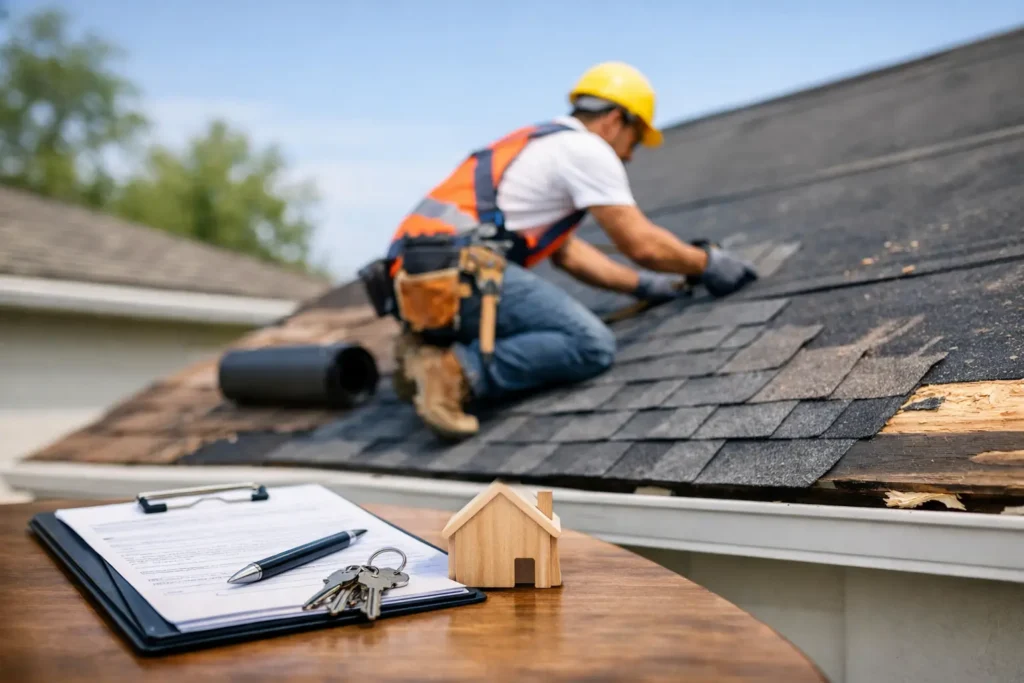
A roof can look fine from the driveway and still be one hard East Texas storm away from leaking. When shingles are missing, granules are piling up in the gutters, or water shows up on the ceiling, the first question is usually: does homeowners insurance cover reroofing? The honest answer is sometimes. Coverage usually depends far more on what damaged the roof than on how badly you need a new one.
Homeowners insurance is designed to pay for sudden, accidental damage from covered events. It is not a roof maintenance plan. That distinction matters when you are deciding whether to file a claim, schedule repairs, or budget for a full replacement.
When homeowners insurance may cover reroofing
A policy may help pay to reroof your home when a covered event damages enough of the roof that repair is not practical or will not restore it properly. In East Texas, wind, hail, fallen trees, and storm-driven debris are common reasons homeowners file roof claims.
For example, a hailstorm may bruise or crack shingles across multiple slopes, shortening their useful life even if there is no immediate leak. High winds can lift shingles, break their seals, or tear away roofing materials near ridges and edges. A healthy tree limb that falls during a storm may puncture the roof deck. If your policy covers the event and the damage is documented, the insurer may approve repairs or a full reroof.
The key word is covered. Every policy has its own terms, exclusions, deductible, and settlement method. A roof replacement is not automatically covered simply because the roof is old, leaking, or has reached the end of its service life.
What insurance usually does not pay for
Most insurers will not pay for deterioration that happened gradually. Normal aging, worn shingles, repeated minor leaks, poor installation, algae staining, and neglected maintenance are commonly excluded. If a roof has been leaking for months and eventually damages the ceiling, the company may question whether the loss was sudden or preventable.
Wear and tear can also affect a storm claim. An older roof is not automatically disqualified from coverage, but an adjuster may distinguish between fresh storm damage and pre-existing problems. That is why photographs, a timely inspection, and a clear record of what happened can make a real difference.
Insurance may also deny damage caused by an excluded event or limit payment for certain types of loss. Wind and hail coverage can vary by policy and location. Some Texas homeowners carry a separate windstorm deductible, while others have a percentage-based deductible that is much higher than a flat-dollar deductible. Read the declarations page before assuming what you will owe.
The age of your roof affects the payout
Two homeowners can have similar storm damage and receive very different claim payments because their policies settle roof losses differently. The most common approaches are replacement cost value and actual cash value.
Replacement cost value, often called RCV, is intended to pay the reasonable cost to repair or replace the damaged roof with comparable materials, minus your deductible. Many policies issue an initial payment based on depreciated value, then release the remaining recoverable depreciation after the work is completed and proper documentation is submitted.
Actual cash value, or ACV, subtracts depreciation for age and condition. If a roof is near the end of its expected life, the ACV payment may be much lower than the cost of a new roof. Some policies use ACV for roofs over a certain age, even when newer roofs receive replacement-cost treatment.
This is where homeowners get surprised. An approved claim does not necessarily mean insurance pays every dollar of the reroof. Your deductible remains your responsibility, and upgrades beyond like-kind replacement may create additional out-of-pocket costs. Choosing architectural shingles over basic three-tab shingles, changing colors, adding premium impact-resistant materials, or improving ventilation may be worthwhile, but the insurer may only pay for the comparable material that was there before.
Does homeowners insurance cover reroofing after hail or wind?
Hail and wind are among the strongest reasons to have your roof inspected after a storm, but they are not a guarantee of a replacement. Hail damage is often difficult to identify from the ground. A trained roofing professional looks for consistent impact marks, fractured matting, displaced granules, damaged vents, dented soft metals, and other evidence that supports the cause and scope of damage.
Wind damage can be just as easy to miss. Shingles may crease or lift without blowing completely off. Broken seals can leave a roof vulnerable to the next storm, even if it does not leak that day. A proper inspection should include the roofing surface, flashing, vents, gutters, and accessible attic areas, not just a quick glance from a ladder.
If damage is present, the insurance company still makes the coverage decision. A contractor can document conditions, explain the repair or replacement scope, and help you understand the estimate, but no reputable contractor should promise claim approval before the adjuster completes the review.
What to do before filing a roof claim
Act quickly after a storm, especially if water is entering the home. Take date-stamped photos and videos from a safe location. Photograph missing shingles, fallen limbs, interior stains, wet insulation, and any damaged personal property. If a temporary tarp or emergency repair is needed to stop further damage, save the invoice and keep records of every conversation.
Then schedule a professional roof inspection. A detailed assessment can help you decide whether the damage appears claim-worthy or whether a targeted repair is the more sensible path. Filing frequent small claims can affect your insurance history, so it is reasonable to understand the damage and your deductible before opening a claim.
When you do contact your insurer, describe the event accurately and stick to the facts. Ask about your deductible, the policy’s roof settlement terms, any deadlines for reporting damage, and whether the insurer requires an inspection before permanent repairs begin. Do not wait so long that it becomes difficult to connect the damage to a specific storm.
Use this simple claim file to stay organized:
- Photos and videos of the roof, exterior, interior, and storm debris
- The date of the storm and a written timeline of what you noticed
- Inspection notes, repair estimates, and emergency mitigation receipts
- Your claim number, adjuster contact information, and copies of all correspondence
- The insurer’s estimate and any explanation of coverage or denial
How to handle the adjuster appointment
The adjuster works for the insurance carrier, and their inspection helps determine what the policy covers. You have the right to understand their findings and ask questions when an item is missed or unclear. Having your roofing contractor present can be useful because they can point out documented damage, discuss construction details, and compare the carrier’s scope with what is required to restore the roof correctly.
Keep the conversation professional and evidence-based. The goal is not to argue for a roof you do not need. The goal is to make sure covered damage is fully identified and that the approved scope includes the materials and work needed for a proper installation.
Review the estimate line by line before work begins. Look for roofing material, tear-off, underlayment, flashing, drip edge, vents, decking repairs if needed, gutters, and code-related items. Some components may be covered only when damaged or required by local building code. If the estimate leaves unanswered questions, ask for clarification in writing.
Avoid common reroofing claim mistakes
Do not sign a contract you do not understand in the rush after a storm. Be cautious of anyone who promises to waive your deductible, guarantees insurance approval, or pressures you to sign before inspecting the roof thoroughly. Those promises can put homeowners in a difficult position and are not how a professional roofing project should begin.
Also, do not authorize a full roof replacement before you know whether the work is insurance-funded, owner-funded, or a combination of both. Emergency repairs to prevent further water damage are different from starting a complete reroof. Protect the home first, document everything, and make permanent decisions with a clear scope and payment plan.
For homeowners in Tyler and across East Texas, a local contractor who understands storm response can help bring order to a stressful process. Spartan Exteriors can inspect the roof, document visible damage, provide a straightforward estimate, and help you communicate clearly with your carrier while you remain in control of the claim.
A roof claim should never feel like a guessing game. If a storm has hit your property or you have noticed new leaks, loose shingles, or interior water marks, get the roof checked promptly. Clear documentation and an honest inspection give you the best footing for the next decision, whether that means an insurance claim, a repair, or a planned reroof.