
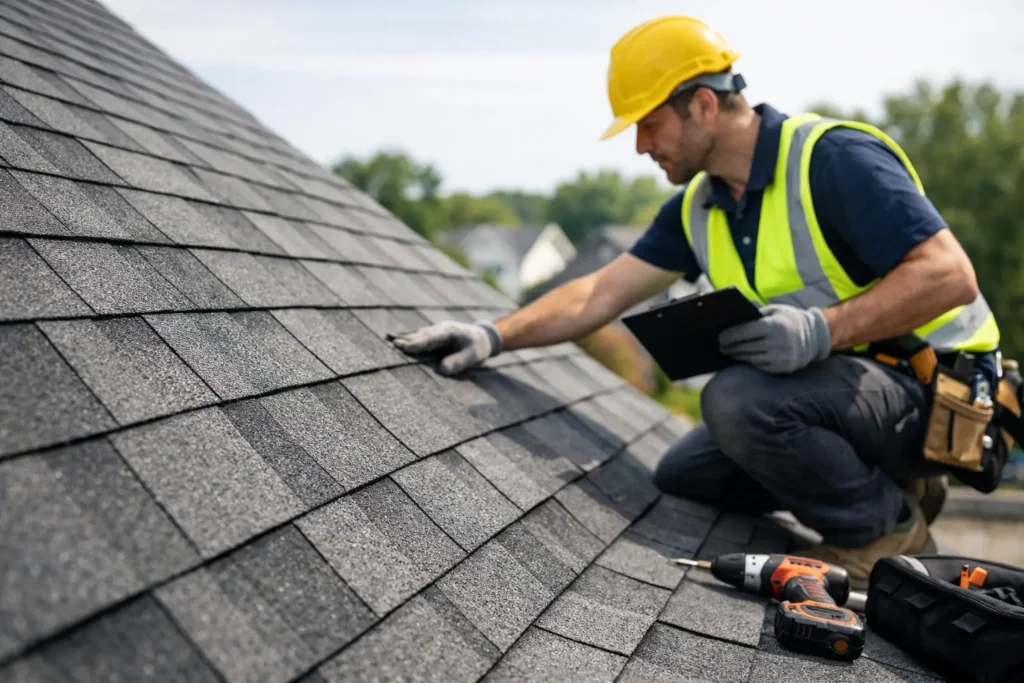
A new roof can cost too much to treat the warranty like fine print. If you are comparing bids, roof warranty workmanship coverage deserves the same attention as shingles, metal panels, or price. The real test of a roof usually comes months or years later, when a leak shows up around flashing, vents, valleys, or another detail that depends more on installation than on the material itself.
That is where many property owners get surprised. They hear terms like lifetime warranty, manufacturer backed, or fully guaranteed, but those phrases can describe very different protections. Some warranties cover the product. Some cover the labor. Some sound broad until you read the exclusions. If you want to know whether your investment is actually protected, you need to separate material coverage from workmanship coverage and ask direct questions before the job starts.
What roof warranty workmanship coverage actually means
Roof warranty workmanship coverage is protection tied to how the roof was installed. If a problem happens because the contractor made an error during installation, this is the part of the warranty that should address the repair. That can include issues with flashing details, underlayment placement, fastening patterns, ridge vent installation, pipe boot sealing, transitions, and other parts of the roofing system where installer skill matters.
This is different from a manufacturer material warranty. A manufacturer warranty usually applies when the roofing product itself has a defect. If shingles fail early because of a production issue, that falls into one category. If the shingles are fine but they were installed incorrectly, that falls into another.
For homeowners and commercial owners, the distinction matters because installation mistakes are one of the most common causes of roof trouble. Even high-quality materials can fail on a building if the workmanship is poor. A roof is only as dependable as the crew that installs it.
Why workmanship coverage matters more than most people think
Most roofing products are built to last when they are installed to specification. The weak point is often not the shingle, panel, or membrane itself. It is the human side of the project. That includes whether the deck was inspected properly, whether damaged wood was addressed, whether penetrations were sealed correctly, and whether the system was installed for local weather conditions.
In East Texas, wind-driven rain, hail, heat, and storm damage can expose installation shortcuts fast. A roof that looks clean from the street can still have hidden trouble at the edges and transitions. That is why workmanship coverage is not just a bonus. It is a practical layer of protection for the real-world problems that show up after crews leave.
A strong workmanship warranty also says something about the contractor. It signals that the company expects its roof systems to perform and is willing to stand behind the labor, not just the sales pitch. That level of accountability matters when you are trusting someone with your home, rental property, storefront, or mobile home.
What is usually covered
The exact terms depend on the contractor, but roof warranty workmanship coverage often applies to installation-related defects that cause the roof system to perform improperly. That may include leak repairs tied to workmanship errors, correction of improperly installed components, and labor needed to fix a covered installation issue.
That said, not every leak automatically counts as a workmanship claim. If a tree falls, a storm tears off materials, or another trade damages the roof, those are different situations. Good warranties are specific, and that is a good thing. You want clear terms, not vague promises.
Common examples of workmanship issues
A poorly installed flashing detail around a chimney is a classic example. So is an incorrectly sealed vent penetration, improperly fastened metal panel, or a valley detail that lets water back up where it should drain. On commercial roofs, workmanship issues can include seam problems, poor adhesion, or bad termination details around curbs and wall intersections.
These are not minor details. They are often the exact places where leaks start.
What workmanship coverage usually does not cover
This is where buyers need to slow down and read carefully. Most workmanship warranties do not cover damage from storms, foot traffic, neglect, structural movement, pest activity, or modifications made by someone else after installation. If another contractor mounts equipment on the roof or a satellite installer creates a penetration, that can affect coverage.
Normal aging can also be a gray area. Roofs wear over time. Sealants age. Components expand and contract. A warranty is not the same as a maintenance plan, and it is not a promise that the roof will never need service.
Improper maintenance can also create problems. Some roofing systems, especially commercial ones, need periodic inspections and care. If the warranty requires maintenance and the owner ignores that requirement, a later claim may be harder to support.
How long should a workmanship warranty last?
There is no one right answer, but longer is not automatically better unless the company is stable enough to honor it. A one-year workmanship warranty is common in some parts of the industry, but it does not offer much comfort on a roof you expect to last decades. Multi-year coverage is stronger. A lifetime workmanship warranty can be even better if it is backed by a company with a real local presence, clear service standards, and the capacity to respond when needed.
That last part matters. A warranty is only as valuable as the company standing behind it. If a contractor disappears, changes names, or avoids service calls, the written promise has limited value. A dependable local roofer with a track record in the community often gives you more real protection than a flashy document full of broad claims.
Questions to ask before you sign
The best time to understand roof warranty workmanship coverage is before installation, not after a leak. Ask who provides the workmanship warranty, what specific items are covered, how long the coverage lasts, and what conditions could void it. Ask whether emergency repairs by others affect coverage. Ask whether the warranty transfers if you sell the property. Ask what the claim process looks like and how quickly service calls are handled.
Also ask for the warranty in writing. Verbal assurances do not help much when there is a dispute two years later. Clear paperwork protects both sides.
Pay attention to how the contractor answers
A trustworthy contractor should be able to explain the warranty in plain English. If the explanation gets slippery, overly vague, or focused only on manufacturer branding, that is a warning sign. You want direct answers from people who are comfortable standing behind their work.
It also helps to compare warranties alongside scope of work. A better workmanship warranty on a poorly defined job is not automatically better than a solid warranty attached to a detailed, professional proposal. The installation plan, materials, ventilation, flashing details, and repair scope still matter.
Workmanship coverage and insurance claims
After storm damage, some owners assume the warranty covers everything. Usually, it does not. Insurance and warranty coverage serve different roles. Insurance often applies to sudden damage from hail, wind, or fallen trees. Workmanship coverage applies to installation-related issues.
Still, the two can overlap in practical ways. After a storm, a roof may reveal old workmanship problems that were not obvious before. In those cases, documentation becomes important. A contractor who knows how to inspect the roof carefully, explain what is storm-related versus installation-related, and document conditions clearly can save you time and frustration.
For many East Texas property owners, that guidance is just as important as the repair itself. Roofing claims can get confusing fast when multiple causes are in play.
Choosing a contractor with workmanship coverage you can trust
The right contractor does not treat warranty questions like an interruption. They understand that warranty protection is part of the product. A roof is not just shingles or metal. It is the full system and the labor behind it.
Look for a contractor with a strong local reputation, clear communication, documented credentials, and a record of showing up after the sale. If they offer long-term workmanship coverage, ask how service requests are handled and who you call if there is a problem. Good companies make that process easy to understand.
Spartan Exteriors puts a strong emphasis on standing behind installation work, and that matters for customers who want more than a quick roof replacement. It means the relationship does not end when the last nail is driven.
Roof warranty workmanship coverage is about accountability
At its core, roof warranty workmanship coverage is not just a paperwork issue. It is a measure of contractor accountability. It tells you whether the company is willing to own the quality of its labor after the crew packs up and leaves.
If you are replacing a roof, repairing storm damage, or planning a commercial roofing project, do not let the warranty conversation get pushed to the bottom of the estimate. Ask hard questions. Read the terms. Make sure the protection matches the promises. A roof should give you confidence when the weather turns, and that confidence starts with work done right and a contractor willing to stand behind it.