
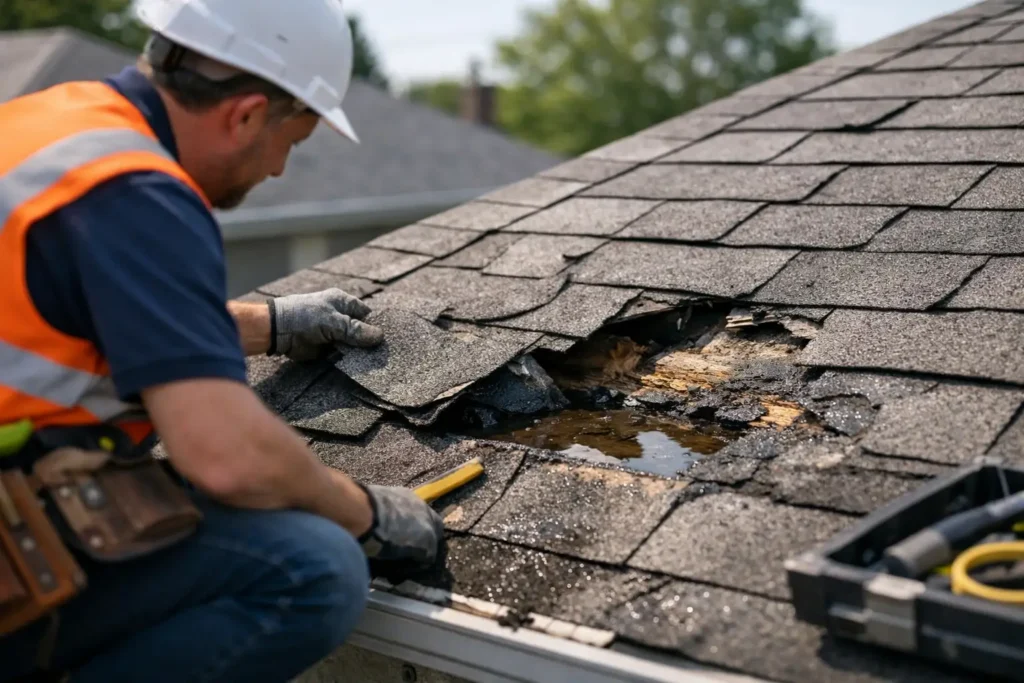
A roof problem rarely starts with a dramatic collapse. More often, it starts with a water stain in the corner, a few shingles in the yard, or a ceiling that just does not look quite right after a hard East Texas storm. If you are noticing small changes around your home or commercial property, those can be the first signs you need roof repair – and waiting usually makes the fix more expensive.
In East Texas, roofs take a beating from heat, wind, hail, heavy rain, and falling limbs. That means damage can show up fast, especially after severe weather. Some issues are obvious. Others stay hidden until water gets under the roofing system and starts affecting decking, insulation, drywall, or even electrical components. Knowing what to look for can help you act early, protect your property, and avoid turning a repair into a full replacement.
The most common signs you need roof repair
One of the clearest warning signs is a leak or water stain inside the building. If you see brown spots on the ceiling, bubbling paint, damp drywall, or moisture around vents and light fixtures, there is a strong chance water is getting in through the roof. A leak does not always appear directly below the damage, though. Water can travel along decking or framing before it shows itself indoors, which is why even a small stain deserves attention.
Missing, cracked, or curled shingles are another major red flag. Shingles are your roof’s first layer of defense against weather. When they start lifting, breaking, or falling off, the underlayment and decking beneath them become more vulnerable. After a storm, it is common to spot loose shingles in the yard or sections of the roof that look uneven in color or texture. That usually means the roof system has been compromised and should be inspected.
Granules in your gutters can also point to trouble. Asphalt shingles naturally lose some granules over time, but heavy buildup in gutters or downspouts often means the shingles are aging or have taken storm damage. Once those protective granules wear away, the shingles are more likely to dry out, crack, and fail under the Texas sun.
If your roof looks saggy or uneven, do not put that off. A sagging area can signal trapped moisture, weakened decking, or even structural concerns. This is not the kind of issue that improves with time. It calls for prompt professional evaluation, especially if the sagging is near a valley, ridge, or area that collects water.
Storm damage is not always obvious
East Texas property owners know how quickly weather can change. Hail, straight-line winds, and debris impact can all damage a roof without creating an immediate leak. That is part of what makes storm damage tricky. A roof may look fine from the ground while still having bruised shingles, punctures, lifted flashing, or damaged ridge caps.
Hail damage often shows up as soft spots or impact marks on shingles, but the real issue is that the protective surface has been weakened. Wind damage can break the seal that holds shingles in place, making them more likely to lift during the next storm. Tree limbs can scrape roofing materials, dent metal panels, or create openings around penetrations.
If your neighborhood has recently had severe weather, it is smart to have your roof checked even if you do not see active leaking. Insurance claims also tend to go more smoothly when damage is documented early. Waiting too long can make it harder to separate storm damage from wear and tear.
Signs you need roof repair around flashing and roof edges
Not every roof problem starts in the field of the roof. Some begin around the details that keep water out, like flashing, pipe boots, valleys, skylights, and chimney transitions. These are common weak points because they rely on precise installation and tight seals.
If you notice rusted flashing, cracked sealant, loose metal edges, or exposed fasteners, your roof may already be vulnerable to water intrusion. The same goes for damaged soffit and fascia. When the roof edge starts failing, water can work its way into the attic or wall system and cause hidden damage before you spot any interior symptoms.
Commercial properties have their own warning signs. On low-slope or flat roofing systems, watch for standing water, membrane blisters, open seams, punctures, or areas where the coating is peeling. A silicone or metal commercial roof can last a long time, but only if damage is addressed before it spreads.
What your attic can tell you
Some of the best clues are inside the attic. If you can safely take a look, check for damp insulation, moldy smells, dark streaks on the underside of the decking, or visible daylight coming through the roof boards. Those are all signs that moisture or outside air is getting where it should not.
Poor ventilation can complicate things. Sometimes a roof problem is not just a leak from above. Heat and humidity trapped in the attic can shorten shingle life, create condensation, and make the whole roofing system work harder than it should. That is why a proper roof repair assessment should look at the full system, not just the obvious surface damage.
Age matters, but age alone is not the whole story
A roof does not need to be falling apart to need repair. If your roof is getting older, small issues become more important because the materials are less forgiving than they once were. Asphalt shingle roofs often start showing wear in the later years of their lifespan, while metal and commercial systems can develop trouble at fasteners, seams, and penetrations long before the entire roof is worn out.
That said, age alone does not always mean replacement. Sometimes a targeted repair is the right move, especially if the damage is isolated and the rest of the roof is still in solid condition. Other times, repeated leak issues or widespread deterioration make replacement the smarter investment. It depends on the material, the extent of the damage, and how long you need the roof to perform.
When a small repair becomes a major expense
Many property owners wait because the problem seems minor. That is understandable. Nobody wants to take on an unexpected project. But roofs do not usually reward delay. A missing shingle can lead to underlayment damage. A slow leak can rot decking, stain ceilings, damage insulation, and create mold concerns. What could have been a manageable repair can quickly turn into interior repairs, higher insurance headaches, and more disruption for your family or business.
This is especially true after storms. Emergency issues like active leaks, fallen limbs, or wind-torn sections should be addressed right away to prevent secondary damage. Temporary protection may be needed first, followed by a full repair plan once the roof has been safely inspected.
What to do if you notice these warning signs
Start by taking note of what you see, but do not climb onto the roof yourself unless it is safe and you have the right equipment. Photos from the ground, notes about when the issue started, and any storm dates can be helpful. If you have an active leak, protect the interior as best you can and move valuables away from the affected area.
Then get a professional inspection. A good roofing contractor should give you a clear explanation of the damage, what needs immediate attention, and whether repair or replacement makes more sense. You should not have to guess your way through the process or feel pressured into work you do not need.
For East Texas homes and businesses, speed matters, but honesty matters just as much. That is why property owners often look for a local company that can respond quickly, document storm-related issues, help explain insurance options, and stand behind the workmanship. Spartan Exteriors is built around that kind of service – direct answers, fast response, and repairs done right the first time.
Do not wait for the leak to get worse
The best time to deal with roof damage is when it is still manageable. If you have seen stains on the ceiling, missing shingles, sagging spots, storm impact, or signs of wear around flashing and roof edges, trust what your property is telling you. A roof does not have to be pouring water into the living room to need attention.
A strong roof protects everything underneath it – your family, your inventory, your equipment, and your peace of mind. If something looks off, getting it checked now can save you money, stress, and a much bigger repair later.