
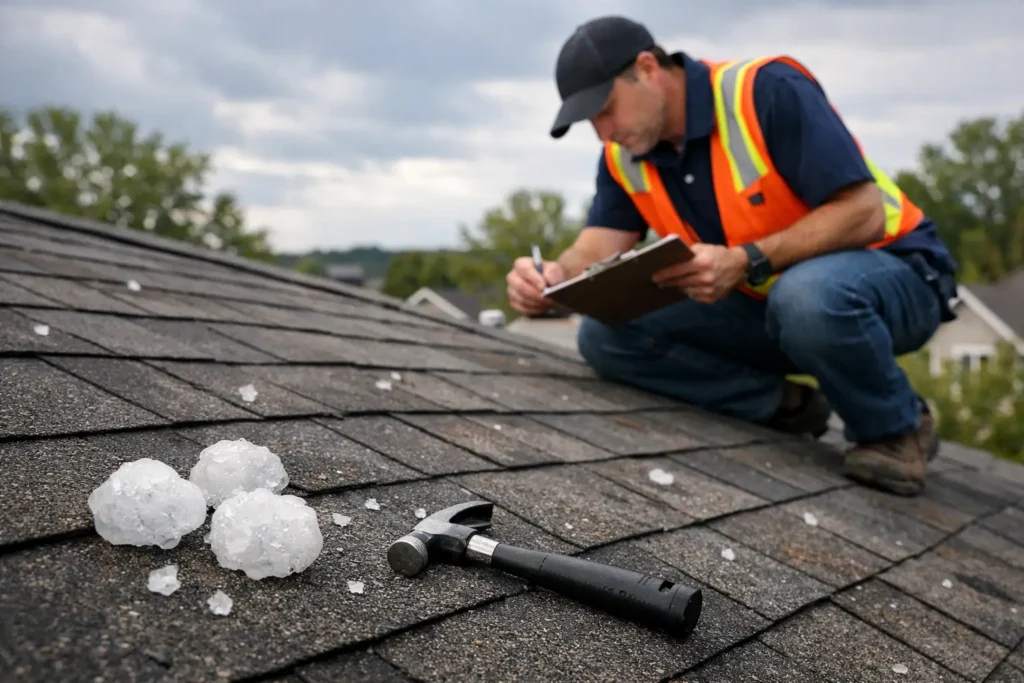
Hail does not have to leave a hole in your ceiling to cause a serious roofing problem. In East Texas, a storm can move through fast, knock granules loose, bruise shingles, dent metal, and loosen flashing – all while your roof still looks fine from the driveway. That is why a roof inspection after hail matters. The damage is not always obvious, but waiting too long can turn a repairable issue into leaks, decking problems, and a bigger insurance headache.
Why a roof inspection after hail should happen quickly
Time matters after a hailstorm, but panic does not help. What helps is getting clear eyes on the roof before sun, wind, and rain make the damage worse or harder to document.
Hail damage often starts small. Asphalt shingles can lose protective granules, which exposes the mat underneath to faster aging. You may also see circular impact marks, cracked tabs, or soft bruising that is easy to miss unless someone knows what to look for. On metal roofing, dents may be cosmetic in some areas and functional in others, especially around seams, fasteners, vents, and flashing.
A quick inspection also protects your position if you need to file an insurance claim. Carriers usually want timely reporting, solid photos, and a documented condition of the roof. If you wait until the next heavy rain and now there is interior water damage, the conversation can get more complicated.
What hail damage actually looks like
Many property owners expect hail damage to look dramatic. Sometimes it does. More often, it looks like wear unless you know the difference.
On shingle roofs, inspectors look for random impact marks rather than uniform aging. Granule loss from hail is usually scattered and sharp-edged, not the consistent wear pattern you might see on an older roof. Bruising can feel soft under the surface. Cracks may show up along the shingle mat, and ridge caps are often hit hard because they sit at more exposed angles.
On metal roofs, the question is not just whether there are dents. The real question is where those dents are and whether they affect performance. Cosmetic denting on a field panel is different from damage around locks, laps, flashing details, and penetrations. For commercial systems, hail can also affect coatings, seams, drainage patterns, and rooftop equipment.
You may also spot clues on the ground. Dented gutters, downspouts, window screens, mailbox tops, HVAC fins, and soft metal accessories can all support what happened on the roof. Those details matter because they help tell the full story of the storm.
What to do right after the storm
The first rule is simple: stay off the roof. A wet or hail-damaged roof is dangerous, and walking it can create more damage or put you at risk.
Start from the ground. Walk the property and look for visible signs around gutters, siding, fence lines, outdoor furniture, and window screens. If it is safe, take clear photos of anything that looks freshly damaged. Check the attic and ceilings for new water stains, damp insulation, or signs of active leaking.
If you see immediate problems like a leak, missing materials, or a tree limb impact, treat that as urgent. Temporary protection may be needed to keep water out until repairs are made. Fast action limits secondary damage, and that matters whether you are paying out of pocket or working through insurance.
When a professional inspection makes the most sense
Not every storm means a full roof replacement. Not every dent means a claim. But if hail was large enough to leave marks on soft metals, screens, or vehicles, it is smart to have the roof checked by a trained professional.
This is especially true if your roof is older, if you already had minor wear before the storm, or if your property has multiple roof surfaces and penetrations. Mobile homes, low-slope sections, metal accessories, skylights, and commercial roof details can all respond differently to hail. A proper inspection should sort out what is cosmetic, what is functional, and what needs attention now versus later.
For homeowners and property managers in areas like Tyler and the surrounding East Texas communities, that local storm pattern matters too. We often see wind-driven rain paired with hail, which can create mixed damage. An inspector should be looking at the whole exterior system, not just the shingles.
What happens during a roof inspection after hail
A solid inspection should feel organized, not rushed. The goal is to document facts, not to pressure you.
The inspection usually starts with a conversation about when the storm happened, what you noticed, and whether there are active leaks or interior issues. From there, the exterior is checked for collateral signs of impact. Then the roof itself is inspected by material type and roof area, with close attention to shingles, metal panels, flashing, vents, valleys, ridges, pipe boots, gutters, and other vulnerable points.
Photos should be taken throughout the process. If there is storm damage, the findings should be explained in plain English. You should understand whether the issue is minor repair work, broader storm damage, or a roof that was already near the end of its service life and was pushed further by the hail.
That distinction matters. Insurance may cover direct storm damage, but it does not exist to replace old age or deferred maintenance. Honest contractors will tell you where that line is instead of promising a result nobody can guarantee.
Insurance claims and where people get tripped up
The biggest mistake after hail is assuming the claim will explain itself. It rarely does.
You need documentation, timing, and a contractor who can communicate clearly about what was damaged and why it matters. Photos from the inspection, notes on affected slopes and accessories, and records of any emergency mitigation all help. If an adjuster comes out, it helps to have someone there who understands roofing systems and can point out functional damage that might otherwise be missed.
That said, not every roof should go straight to a claim. If damage is minor and below your deductible, a straightforward repair may make more sense. Filing a claim for very small issues is not always the best move. This is one of those situations where honest guidance matters more than sales talk.
Repair or replace? It depends on the roof
There is no one-size-fits-all answer after hail. A newer roof with isolated impact damage may only need targeted repairs. An older roof with brittle shingles, widespread granule loss, and multiple damaged elevations may be a better candidate for replacement.
Material type matters too. Some metal roofs can continue performing well despite cosmetic denting, while others may have damage in critical areas that affects water tightness. On commercial systems, even small punctures or coating damage can become bigger moisture problems if ignored.
The right recommendation should account for the age of the roof, the extent of functional damage, matching concerns, local code requirements, and long-term value. Cheap patchwork can be expensive if it only buys you a few months before the next leak.
Choosing who should inspect your roof
After a major storm, everyone with a ladder seems to become a roofer overnight. That is exactly when property owners need to slow down and choose carefully.
Look for a contractor who knows the local area, responds quickly, documents clearly, and explains the next steps without gimmicks. Ask whether they handle emergency protection, whether they can work with insurance documentation, and whether they stand behind their workmanship. A professional roof inspection after hail should give you clarity, not confusion.
At Spartan Exteriors, that means showing up, telling the truth about what we find, and helping property owners make the right call for their home or building. Some roofs need repair. Some need replacement. Some just need a careful inspection and a written record so the owner can move forward with confidence.
The cost of waiting too long
Hail damage is rarely polite enough to stay in one place. Once protective surfaces are compromised, East Texas heat, UV exposure, and hard rain can speed up deterioration. A roof that looked mostly fine right after the storm can start showing leaks weeks later.
Waiting also makes documentation harder. Fresh storm damage is easier to separate from normal wear when it is inspected promptly. If another storm rolls through, it can muddy the timeline and make the claim process more frustrating than it needs to be.
If your property took hail, the smart move is not to guess from the yard and hope for the best. Get it checked, get it documented, and make decisions while your options are still wide open. A good inspection does more than find damage – it gives you a clear next step and protects what matters under that roof.