
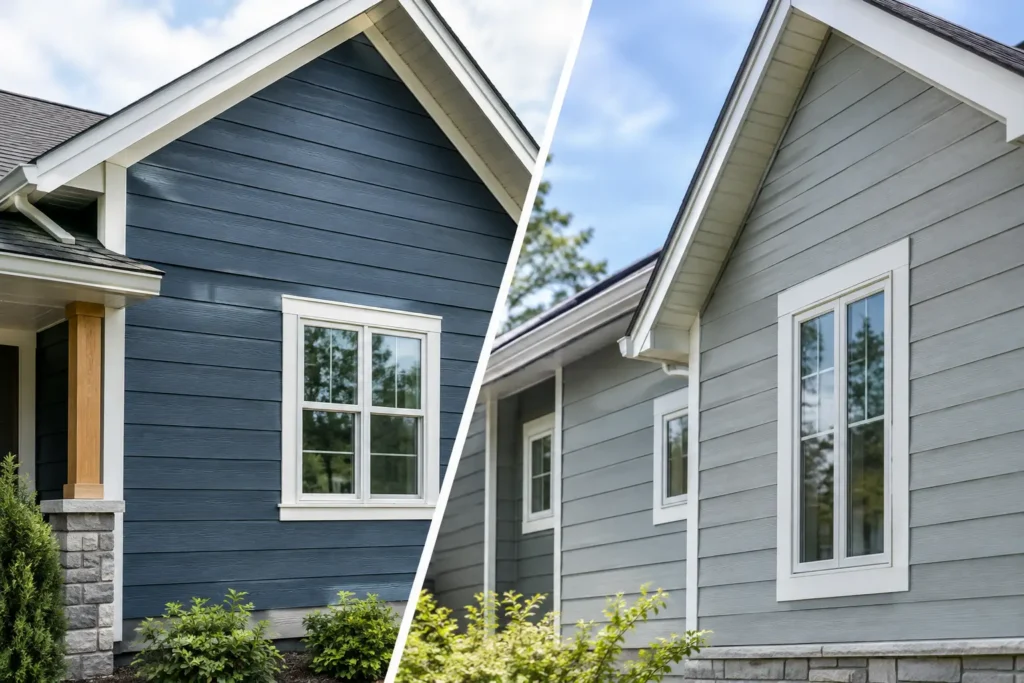
A siding decision can affect more than curb appeal. It affects how your home handles East Texas heat, driving rain, humidity, hail, and the occasional storm repair. When homeowners compare LP SmartSide versus Hardie siding, the right answer is not simply which product costs less. It is which material fits the home, the budget, the maintenance expectations, and the quality of the installation.
Both are respected siding options, and both can give a home a clean, durable finish when installed correctly. Their differences matter, though. LP SmartSide is an engineered wood product, while Hardie siding is fiber cement. That distinction changes how each product cuts, installs, moves with temperature changes, and responds to moisture over time.
LP SmartSide versus Hardie siding at a glance
LP SmartSide is engineered wood siding made from treated wood strands and exterior-grade binders. It is designed to deliver the look and workability of traditional wood while improving resistance to fungal decay and termites. It is lighter than fiber cement and can be installed with standard woodworking tools.
Hardie siding, commonly called fiber-cement siding, is made with cement, sand, cellulose fibers, and water. It is noncombustible and highly resistant to rot and insects. Its dense composition gives it a solid, substantial feel, but it also makes the material heavier and more demanding to install.
Neither choice is automatically better for every property. A homeowner who wants a wood-like appearance, faster installation, and potentially lower labor costs may lean toward LP SmartSide. Someone focused on a noncombustible material and long-term resistance to rot may prefer Hardie. The condition of the walls, the home’s architectural style, and the installer’s attention to detail should guide the decision.
Durability in East Texas weather
East Texas siding must deal with more than summer heat. Moisture is often the real test. Humid conditions, wind-driven rain, roof runoff, and poorly maintained caulking can all create trouble if water reaches the wall system behind the siding.
How LP SmartSide handles weather
LP SmartSide is treated to resist moisture-related damage, fungal decay, and termites. It is engineered to be durable, but it still requires proper clearance from soil, roofs, decks, and other surfaces where moisture can collect. Like any wood-based product, exposed cuts, damaged edges, and unsealed penetrations need careful treatment during installation.
One practical advantage is impact resistance. LP SmartSide is generally more forgiving when hit by hail, thrown debris, or an errant baseball. It is less brittle than fiber cement, which can be a real consideration for homes with active families or exposed walls near driveways and play areas.
How Hardie siding handles weather
Hardie siding does not rot like wood, and termites are not interested in it. It also does not burn, which gives it an advantage for homeowners who prioritize fire resistance. Its durability is a major reason it remains a popular choice.
Still, fiber cement is not maintenance-free or immune to water problems. If it is installed too close to the ground, improperly flashed, or left with failed caulk around trim and openings, moisture can affect the wall assembly behind it. Fiber cement boards can also crack or chip when handled roughly, especially during installation or impact events.
For either product, the siding itself is only one part of the protection plan. Proper house wrap, flashing at windows and doors, kick-out flashing where roofs meet walls, sealed penetrations, and correct clearances do the daily work of directing water away from the home.
Cost: Material price is not the whole story
Homeowners often expect one clear winner on price, but project cost varies with the home’s size, wall height, trim details, removal of old siding, repairs behind the existing siding, and paint selection. Labor also matters.
LP SmartSide is lighter and easier to cut, carry, and fasten. That can make installation quicker and may reduce labor costs on some projects. Longer boards can also mean fewer seams across wide walls, which many homeowners like visually.
Hardie siding is heavier and typically requires more labor to transport, cut, and install. It creates silica dust when cut, so installers need the right tools and safety practices. Those additional handling requirements can raise labor costs, especially on detailed homes with multiple stories, gables, and extensive trim.
Do not make the decision from a material-only quote. Ask for a complete scope that identifies tear-off, wall repairs, moisture protection, trim, painting, cleanup, and warranty coverage. A low number that leaves out flashing or damaged sheathing is not a bargain. It is a future repair waiting to happen.
Appearance, color, and design flexibility
Both products can work with traditional, farmhouse, craftsman, and contemporary home styles. The difference comes down to the look you want and how you want the details to read from the street.
LP SmartSide has a wood-grain texture that many homeowners find convincing, particularly on lap siding, shakes, and trim. Because it is easier to cut on site, it can be a practical choice for detailed accents, custom gables, and trim work.
Hardie offers a clean, consistent profile and comes in several siding styles, including lap boards, panels, shingles, and vertical siding. Its finish can look crisp and tailored, especially on homes where smooth, straight lines are the goal.
Color choices depend on the product and finish selected. Factory-finished siding can offer consistent color and reduce the amount of painting required after installation. Field-painted siding gives more flexibility, but paint quality and preparation become even more important. In either case, dark colors can show fading and surface heat more than lighter tones, so discuss the finish system before choosing a dramatic shade.
Maintenance expectations
No exterior siding stays looking its best without basic care. Both LP SmartSide and Hardie benefit from annual inspections, gentle cleaning when needed, and prompt repairs to damaged caulk or paint.
With LP SmartSide, homeowners should pay close attention to paint condition and sealant around joints, trim, windows, and doors. Keeping landscaping trimmed back and making sure sprinklers do not constantly soak the siding also helps protect the finish.
With Hardie, maintenance centers on paint, caulk, and keeping clearances intact. Cracked boards, chipped edges, and failed sealant should be addressed quickly. Fiber cement resists rot, but neglected paint and flashing can still allow water to reach places it should not.
A good rule for either material is simple: inspect after major storms and before small maintenance issues become expensive wall repairs. Look for loose pieces, cracked caulk, peeling paint, impact marks, staining, and gaps around windows or rooflines.
Installation quality decides the outcome
The best siding material can fail when installed carelessly. Fasteners must be placed correctly. Flashing must be integrated in the proper order. Expansion gaps, end joints, clearances, and manufacturer requirements all matter. So does repairing hidden damage before new siding covers it.
This is especially important after a storm or a long-term leak. Replacing visible siding without checking for damaged sheathing, wet framing, or failed flashing may make the house look better while leaving the real problem behind the walls.
Before approving a siding project, ask how the contractor will handle existing damage, protect windows and landscaping, manage weather during installation, and document the work. You should receive a clear scope, not vague promises. For homeowners in Tyler and nearby East Texas communities, choosing a contractor with local weather experience can make the process far less stressful.
Which siding is right for your property?
Choose LP SmartSide if you want a lighter material with strong impact resistance, a wood-like appearance, and potentially faster installation. It can be an excellent fit when detailed trim work, long board lengths, and budget-conscious labor costs are priorities. It does require careful painting, sealing, and moisture management.
Choose Hardie siding if you value a noncombustible, insect-resistant, fiber-cement product with a long track record. It is a strong choice for homeowners who prefer its clean appearance and are comfortable with a heavier material and potentially higher installation cost. It still needs correct flashing, caulking, and paint maintenance.
The right siding should protect your home without creating new worries. A careful inspection and a clear installation plan will tell you more than a sales pitch ever could. Spartan Exteriors can help you evaluate the condition of your existing exterior, understand the trade-offs, and choose a siding system built to stand up to the weather your property actually faces.