
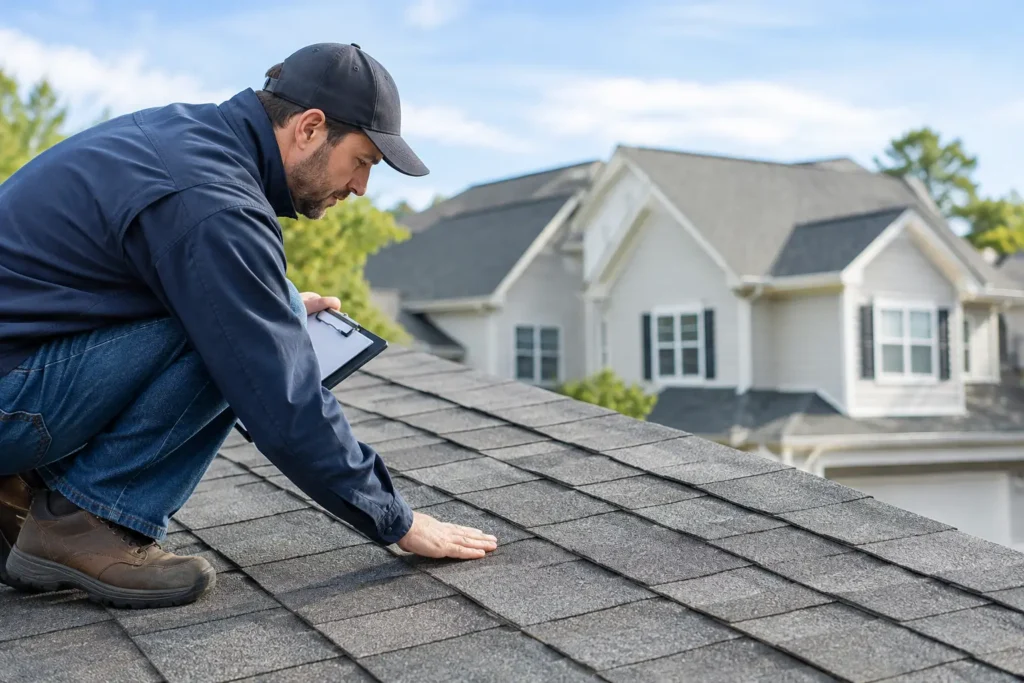
A roof warranty can sound simple until a leak appears after a hard East Texas storm. Then the questions become urgent: Is the shingle covered? Was the installation the issue? Does storm damage change anything? This residential roof warranty coverage guide explains what homeowners should expect before signing a contract, not after water reaches the ceiling.
A good warranty is valuable protection, but it is not a blanket promise that every future roof problem will be free to fix. The strongest protection comes from understanding the difference between product coverage, contractor workmanship coverage, insurance coverage, and the maintenance responsibilities that fall to the homeowner.
What Residential Roof Warranty Coverage Usually Includes
Most new roofing projects involve at least two separate warranties. One comes from the manufacturer of the roofing materials. The other comes from the contractor who installs them. They address different problems, and confusing one for the other can lead to a frustrating claim experience.
A manufacturer warranty generally addresses defects in the roofing material itself. For example, it may apply if shingles fail prematurely because of a manufacturing flaw. Coverage can vary widely by product line, and it may be limited to the shingles rather than the full roofing system.
A workmanship warranty addresses errors related to installation. If the roof leaks because flashing was installed incorrectly, shingles were improperly fastened, or another installation detail failed, that is typically a contractor workmanship issue. A dependable contractor should put this coverage in writing and explain exactly what it covers.
Some roofing systems also offer enhanced manufacturer warranties. These can provide broader protection when qualifying materials are installed together and the contractor meets the manufacturer’s program requirements. They may cover more components of the system, but homeowners should still read the terms carefully. More coverage does not always mean coverage for every possible problem.
Manufacturer Warranty vs. Workmanship Warranty
The easiest way to separate these warranties is to ask one question: did the material fail, or did the installation fail?
If a shingle has a verified factory defect, the manufacturer warranty may apply. If otherwise sound shingles are leaking because the roof deck, flashing, underlayment, or ventilation was handled incorrectly during installation, the workmanship warranty is more likely to matter.
There is one important catch. Many roofing problems are not immediately obvious. A leak around a chimney could result from damaged flashing, poor installation, worn sealant, wind-driven rain, or an impact from a fallen limb. Determining the cause requires an experienced inspection, not a guess from the ground.
At Spartan Exteriors, we believe homeowners deserve a clear answer about what happened and what needs to be done. That starts with documenting the condition of the roof, explaining the likely cause, and helping the homeowner understand which path makes sense for repairs, warranty questions, or an insurance claim.
What Roof Warranties Commonly Exclude
Warranties protect against specific failures, not every event that can damage a roof. This is where many homeowners are caught off guard.
Storm damage is usually excluded from both material and workmanship warranties. Hail, high winds, falling branches, and debris damage are generally insurance matters, assuming the policy provides coverage. A warranty may help with a defective shingle, but it does not replace homeowners insurance after a severe weather event.
Normal aging is another common exclusion. Roofing materials are expected to wear over time, especially under Texas heat, sun exposure, and changing weather. Cosmetic changes, minor granule loss, fading, algae staining, or ordinary wear may not qualify for warranty protection unless they meet the manufacturer’s specific standards.
Other exclusions often involve conditions outside the installer’s control, including:
- Damage from hail, wind, fallen trees, fire, or improper foot traffic
- Roof leaks caused by clogged gutters, neglected maintenance, or blocked drainage
- Problems related to inadequate attic ventilation or moisture buildup
- Alterations made by another contractor, such as satellite mounts or solar equipment
- Damage caused by structural movement, rotten decking, or pre-existing conditions
These exclusions are not fine-print tricks when they are explained honestly upfront. They are the practical boundaries of what a roof warranty can reasonably cover.
Why Ventilation and the Full Roofing System Matter
A roof is more than shingles. It is a system made up of decking, underlayment, flashing, ventilation, intake and exhaust components, and drainage details. When one part is overlooked, it can affect the performance of the rest.
Poor attic ventilation, for example, can trap heat and moisture. That can contribute to higher attic temperatures, premature material wear, condensation, and deck problems. Some manufacturer warranties require proper ventilation as a condition of coverage, so this should be discussed during the estimate rather than discovered after a claim is denied.
The same applies to hidden damage. If a roof replacement reveals soft or rotted decking, covering it with new materials may create a short-term savings but a long-term risk. Replacing damaged decking when needed is not an upsell – it is part of building a roof that can perform as intended.
Read These Warranty Details Before You Sign
Do not rely on a verbal promise like “it has a lifetime warranty.” That phrase can mean different things depending on the product, homeowner status, transfer rules, and the portion of the roof being covered.
Ask for the warranty information in writing and review the length of workmanship coverage, the materials included, and the process for reporting a problem. Also ask whether labor is covered if a manufacturer-approved repair is needed. Some manufacturer warranties cover replacement materials but not tear-off, disposal, labor, or related repairs.
Transferability deserves special attention if you may sell your home. A warranty may be transferable only once, only within a certain timeframe, or only after completing a registration process. Some warranties also change from full coverage to prorated coverage after a set number of years. Under prorated coverage, the manufacturer may pay only a portion of the material cost based on the roof’s age.
A trustworthy contractor will not rush past these details. Warranty terms should be easy to review alongside the project scope, material selection, payment schedule, and insurance documentation when applicable.
How to Protect Your Roof Warranty After Installation
Most homeowners do not need to climb on their roof or become roofing experts. They do need to stay alert to changes and handle small issues before they become major damage.
Keep your final contract, paid invoice, material documents, warranty paperwork, photos, and any registration confirmation in one safe place. If a storm occurs, take photos from the ground when it is safe to do so and arrange a professional inspection promptly. Waiting through repeated storms can make it harder to identify the original source of damage.
Schedule periodic roof checks, especially after hail, strong winds, or a branch strike. Keep gutters and downspouts clear, trim limbs that overhang the home, and avoid allowing unqualified workers to penetrate the roof for equipment installations. If another contractor must work on the roof, make sure they understand the roofing system and document what they changed.
If you notice a water stain, missing shingles, lifted flashing, or shingle debris in the yard, do not assume the warranty will handle it automatically. Report the issue quickly. Early inspection can limit interior damage and provide better evidence of the cause.
When Insurance and Warranty Coverage Overlap
Insurance and warranty coverage can be involved in the same roofing situation, but they serve different purposes. Insurance may address sudden, accidental damage from a covered event. A manufacturer or workmanship warranty may address a verified defect or installation failure.
For example, a windstorm may remove shingles from an otherwise properly installed roof. That is generally an insurance question. But if an inspection finds that shingles were not fastened according to installation requirements, workmanship coverage may also need to be reviewed. The facts matter, which is why photos, inspection notes, and accurate documentation are so valuable.
Homeowners should be cautious of anyone who promises a warranty will cover storm damage without first inspecting the roof. Honest guidance starts with identifying the source of the problem, then helping you take the right next step.
Your roof warranty should give you confidence, not confusion. Before your next roof repair or replacement, ask direct questions, get the answers in writing, and choose a contractor prepared to stand behind the work long after the crew leaves your driveway.